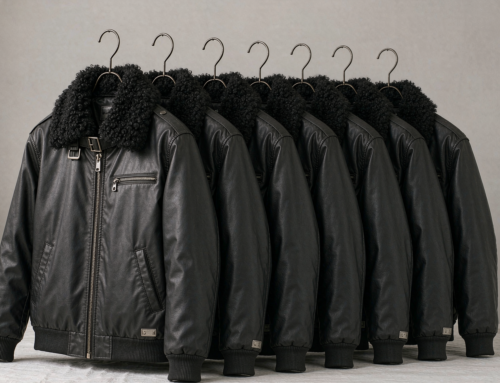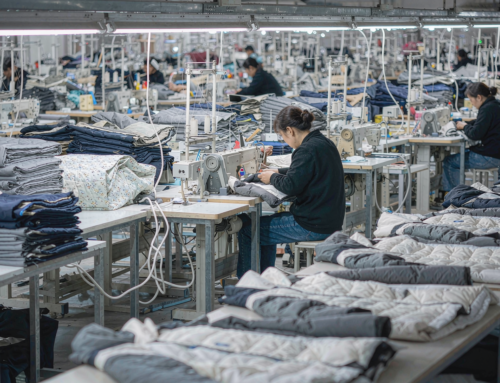


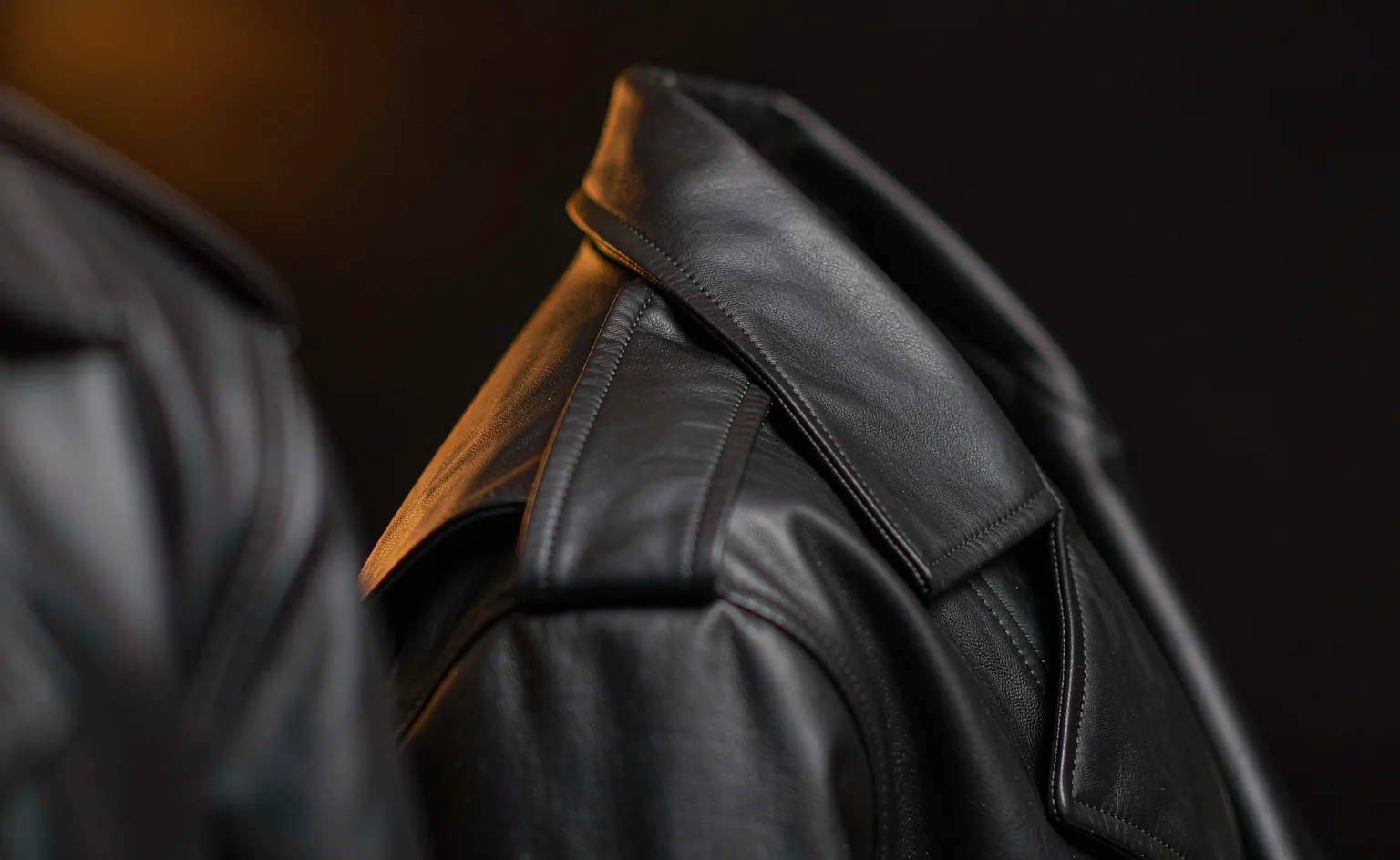
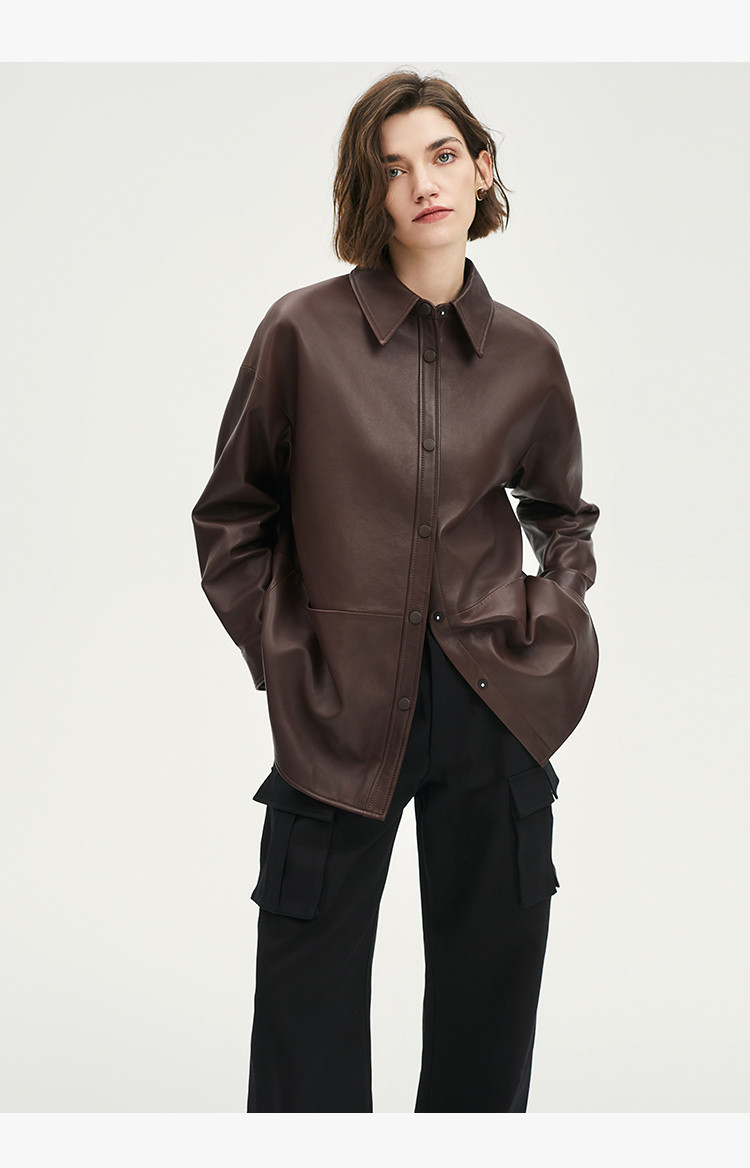
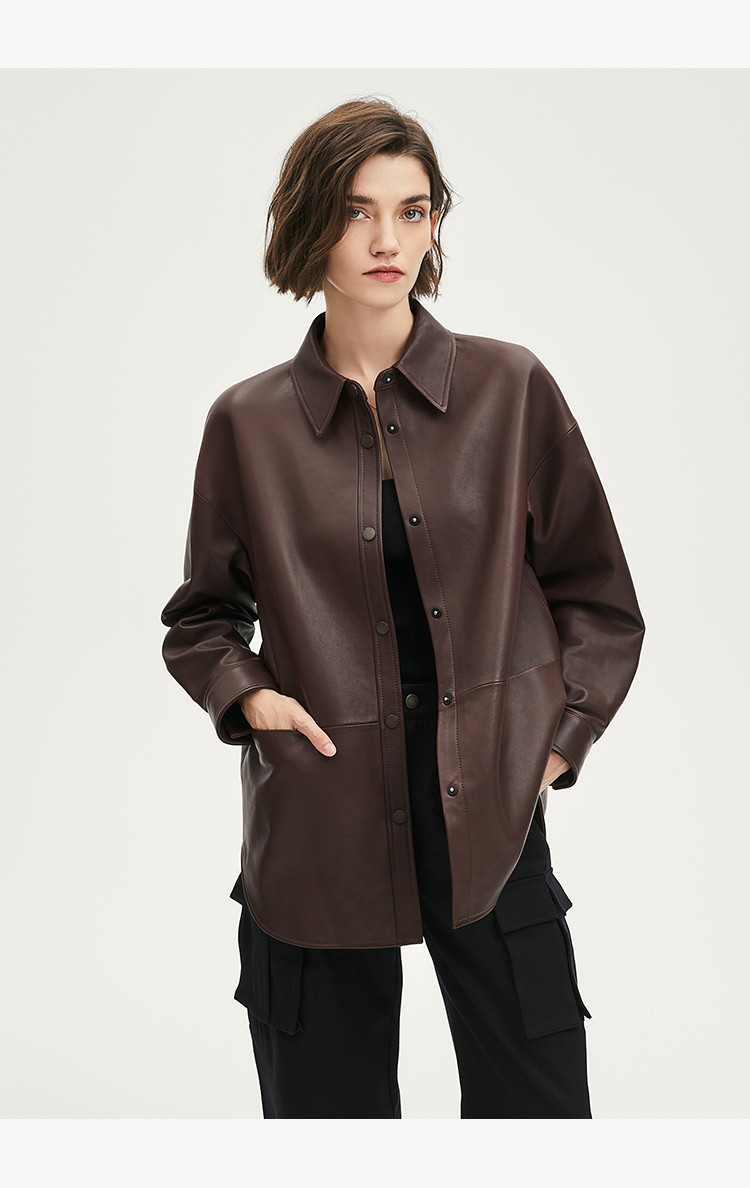
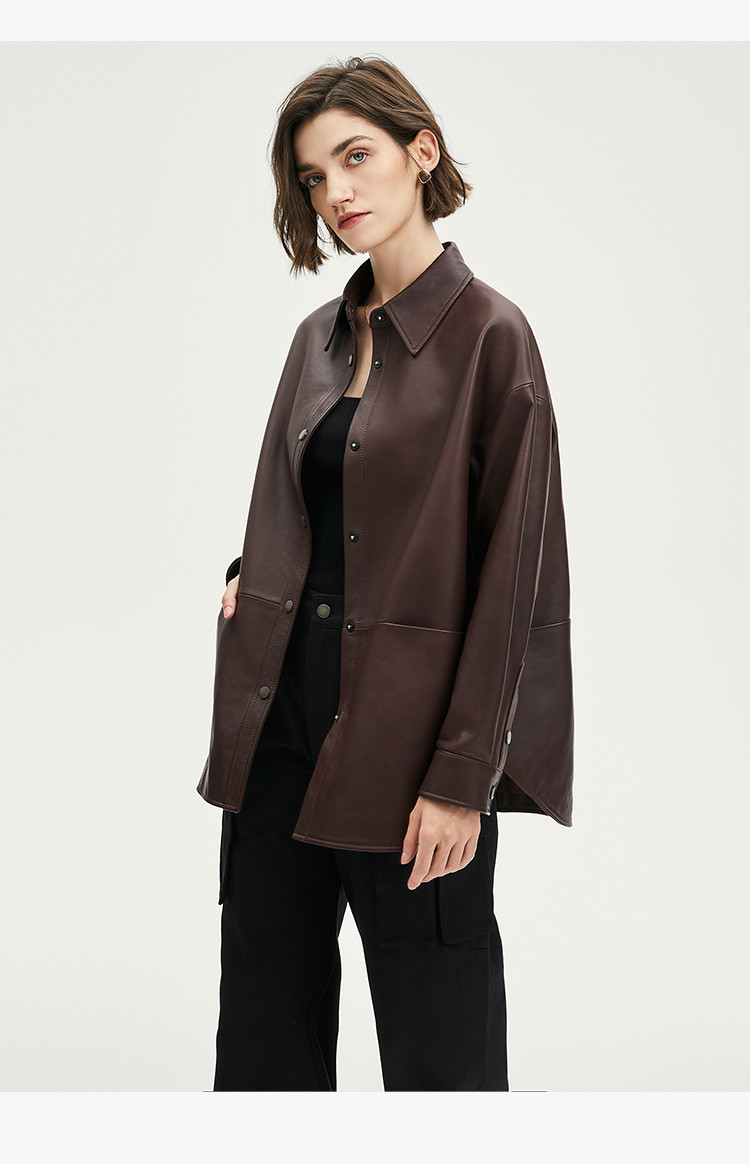
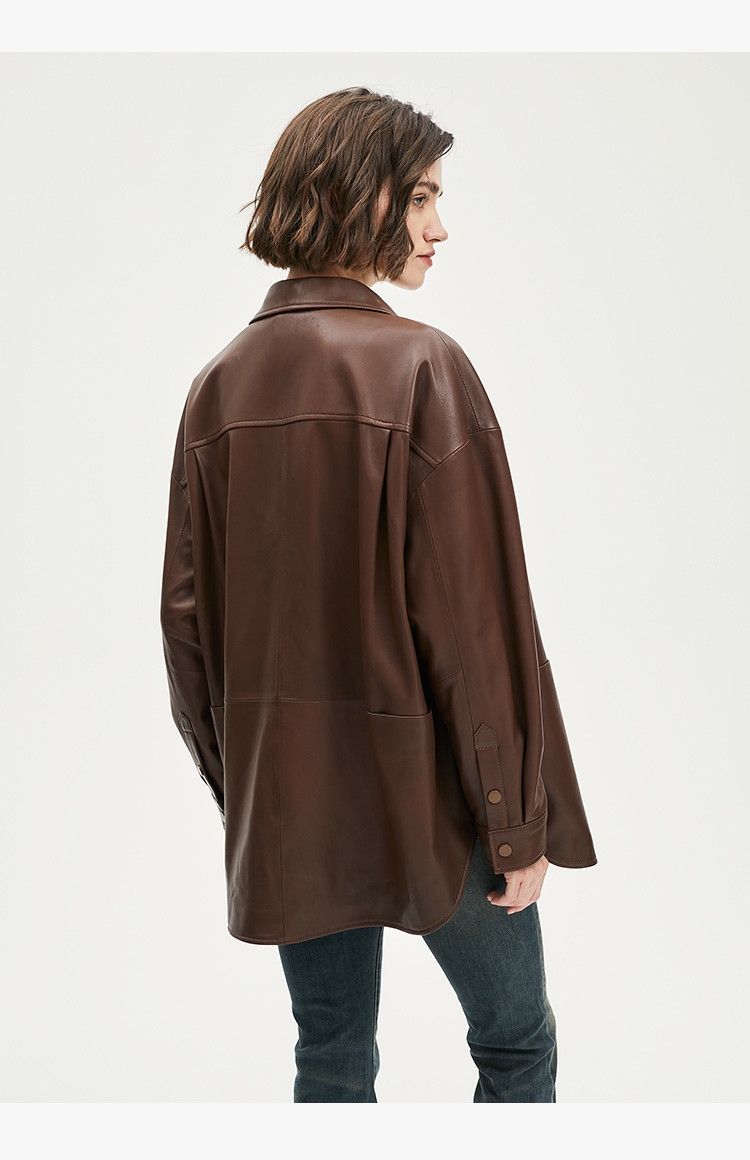
PU jackets occupy a strange position in outerwear: buyers love the look and the price point, yet the category has a reputation for peeling coatings, cracked panels and garments that smell like a chemical plant by month two. Almost every quality failure in a PU jacket is decided before the fabric reaches the cutting table — in the choice of coating, bonding and the factory’s willingness to test.
This guide comes from our production side. We manufacture PU jackets (alongside padded and wool styles) for European and North American brands, and PU is the category where material knowledge changes the outcome more than anywhere else. Here is what we would want any brand to know before ordering.
1. “PU” Is Not One Fabric — Know Which One You Are Buying
When brands say “PU jacket,” they usually mean one of three very different constructions:
- PU-coated woven fabric. A base fabric (usually polyester twill or taffeta) coated with a polyurethane layer. This is the workhorse of the category: matte or semi-matte “vegan leather” look, good durability, the standard for fashion jackets at mid-market prices.
- Bonded (laminated) PU. The PU film is glued to the base fabric and often to a second backing layer, producing a thicker, softer hand-feel. Better drape, higher cost, and the bond quality becomes a critical failure point.
- Microfiber PU. A microfiber base with a fine PU layer — the closest to genuine leather in look and touch, and the most expensive of the three.
The construction you choose drives everything downstream: price, minimums, testing needs and lifespan. A factory that answers “we do PU” without asking which PU is a factory you should keep asking questions.
2. Quality Lives in the Coating
A PU coating is a film measured in fractions of a millimeter, and its quality is invisible on a hanging rack. The differences show up in month three of wear. The four properties that matter:
- Peel strength — how strongly the PU layer adheres to the base fabric. Weak bonding means the coating separates and flakes. Tested against ISO methods for coated fabrics; ask your supplier for the actual test values, not just “passed.”
- Flex resistance — elbows and collar folds flex thousands of times. Cheap films crack at the fold lines. Low-temperature flexing matters too: a jacket that survives factory QC can crack in a Northern European winter.
- Colorfastness — rubbing against jeans, bags and seatbelts should not transfer color. Wet and dry rub tests are cheap and fast; a serious factory runs them per dye lot.
- Odor and chemical compliance. Strong solvent smell usually signals shortcuts in coating chemistry. For European markets, ask about REACH-relevant compliance and, where your customers expect it, Oeko-Tex Standard 100 certification of the fabric.
The single most useful question to ask a PU supplier: “What are your test values for peel strength and flex cycles on this fabric?” A real answer cites numbers. A vague answer predicts a return rate.
3. Construction: Where Good Fabric Goes to Die
Even premium PU fabric produces a poor jacket when construction slips. The details we check on every production run:
- Needle and thread selection. PU is unforgiving: oversized needles leave visible puncture rows and can start tearing along stitch lines. Finer needles with the correct thread count keep seams strong and clean.
- Seam sealing and tape on any bonded or coated area exposed to stress.
- Edge painting quality on raw-cut panels — a signature detail separating mid-market from premium.
- Interlining choices at collar, placket and cuffs, where PU meets fusible interlining under heat — bonding temperatures must suit the coating, or bubbling appears after the first dry clean.
- Hardware — zippers and pullers plated to match the PU tone; mismatched metal on matte PU is the detail buyers notice first.
4. MOQ: Why 500 Pieces Is the Honest Floor
For custom PU jackets, our MOQ is 500 pcs per style with reasonable color and size splits — and this is standard across the category, for reasons specific to PU:
- Coating and dye lots carry minimum quantities; a custom color runs through the whole base-fabric batch.
- Custom trims (printed zips, embossed logos on PU patches) have their own minimums per colorway.
- Set-up costs for cutting and sewing a new pattern are largely fixed.
If a supplier offers 100-piece “fully custom” PU jackets at low prices, the film quality or the base fabric is where the money was saved. As we covered in our guide to choosing a woven outerwear manufacturer, a short list of pointed questions will usually reveal where the shortcuts are.
5. Sampling a PU Jacket: Touch Before You Trust
PU is the one category where we insist buyers evaluate physical samples before approving production — photos genuinely cannot carry the information:
- Fabric swatch first. Confirm hand-feel, matte/gloss level, thickness and base fabric before any garment is cut. Changing PU after sampling resets the calendar.
- Lab dip for the color. PU tones shift with coating thickness; approve on the actual coated fabric, not paper.
- Proto sample for construction and proportion, then PP sample in bulk materials, sealed before the line starts.
Sample charges and courier terms should be stated up front, along with how many revision rounds are included. If you are still deciding between development routes, our OEM and ODM services page outlines how each starts differently.
6. Lead Time: What to Plan Around
A realistic schedule for a custom PU jacket at moderate quantity:
| Stage | Typical duration |
|---|---|
| Base fabric + PU coating | 15–20 days |
| Trims and hardware | 10–15 days (parallel) |
| Cutting, sewing, edge painting | 15–25 days |
| Final QC and packing | 3–5 days |
Total: 30–45 days of production from fabric booking to shipment. A first order runs 60–90 days from sample approval to delivery, and reorders run 45–60 days. FOB Shanghai. The coating stage is the schedule’s long pole — a custom color or special gloss level adds time at exactly the step buyers most often underestimate. Book the season backwards from your delivery deadline.
7. Labeling and Compliance Basics
- Care labels must reflect PU’s real limitations: most PU garments are wipe-clean or gentle hand-wash; dry-cleaning solvents can damage coatings. Wrong care instructions are a returns generator.
- For EU sales, fiber composition and supplier declarations should line up with REACH requirements; keep test reports filed per order.
- If your customers expect it, ask for Oeko-Tex Standard 100 fabric certificates — and check the certificate is current and matches the actual fabric supplier.
8. Red Flags Specific to PU
- No test data offered for peel strength, flex cycles or colorfastness.
- Quotation far below market with the same claimed fabric — the difference is almost always coating weight or base fabric quality.
- No lab dips — “the color will be like the photo.”
- Willingness to skip the PP sample because “the proto was fine.”
- Smell. If the sample smells strongly of solvent, the bulk run will smell like a warehouse of it.
9. Checklist Before You Book Production
- ☐ PU construction type confirmed (coated / bonded / microfiber)
- ☐ Peel strength, flex and colorfastness test values received
- ☐ Lab dip approved on actual coated fabric
- ☐ Sealed PP sample retained by both sides
- ☐ MOQ, size/color split and price confirmed in writing (500 pcs / style)
- ☐ Lead time confirmed (30–45 days of production; 60–90 days first order / 45–60 days reorder, FOB Shanghai)
- ☐ Care label content and compliance documents settled
Frequently Asked Questions
What is the MOQ for custom PU jackets?
500 pcs per style with reasonable color and size splits. The floor comes from coating and dye-lot minimums on the base fabric plus custom trim minimums.
Can PU jackets look like real leather?
Microfiber-base PU comes closest in hand-feel and appearance. Photos cannot convey the difference — always evaluate a physical swatch.
How long does a custom PU jacket order take?
A first order runs 60–90 days from sample approval and deposit; reorders run 45–60 days. Once fabric is booked, production itself takes 30–45 days. Coating and dyeing the base fabric is the longest stage.
Do PU jackets pass brand audits like BSCI?
Audit scope covers production conditions, not fabrics. Our factory is BSCI audited with production passed for ZARA and ASOS, with past audit history for ALDI, and PU lines run under the same management system.
Work With a PU Outerwear Specialist
XINHUA manufactures PU, padded and wool jackets for European and North American brands — BSCI audited, production passed for ZARA and ASOS, MOQ 500 pcs, 60–90 day first orders and 45–60 day reorders, FOB Shanghai, OEM and ODM.
Browse our men’s PU styles and women’s PU styles, or send us your inquiry — we will reply within one business day with fabric options, test data and a realistic sampling schedule.