

As a China apparel supplier, I’ve seen the industry change dramatically over the past decade.
1. Order Volume: From “Tens of Thousands” to “Hundreds”
More than a decade ago, when I was still a salesperson, my boss handed me an order of tens of thousands of pieces — at the time, that was considered a big order. Back then, orders of 10,000 to 100,000 pieces were still medium-sized. The industry was in a phase of rapid expansion.
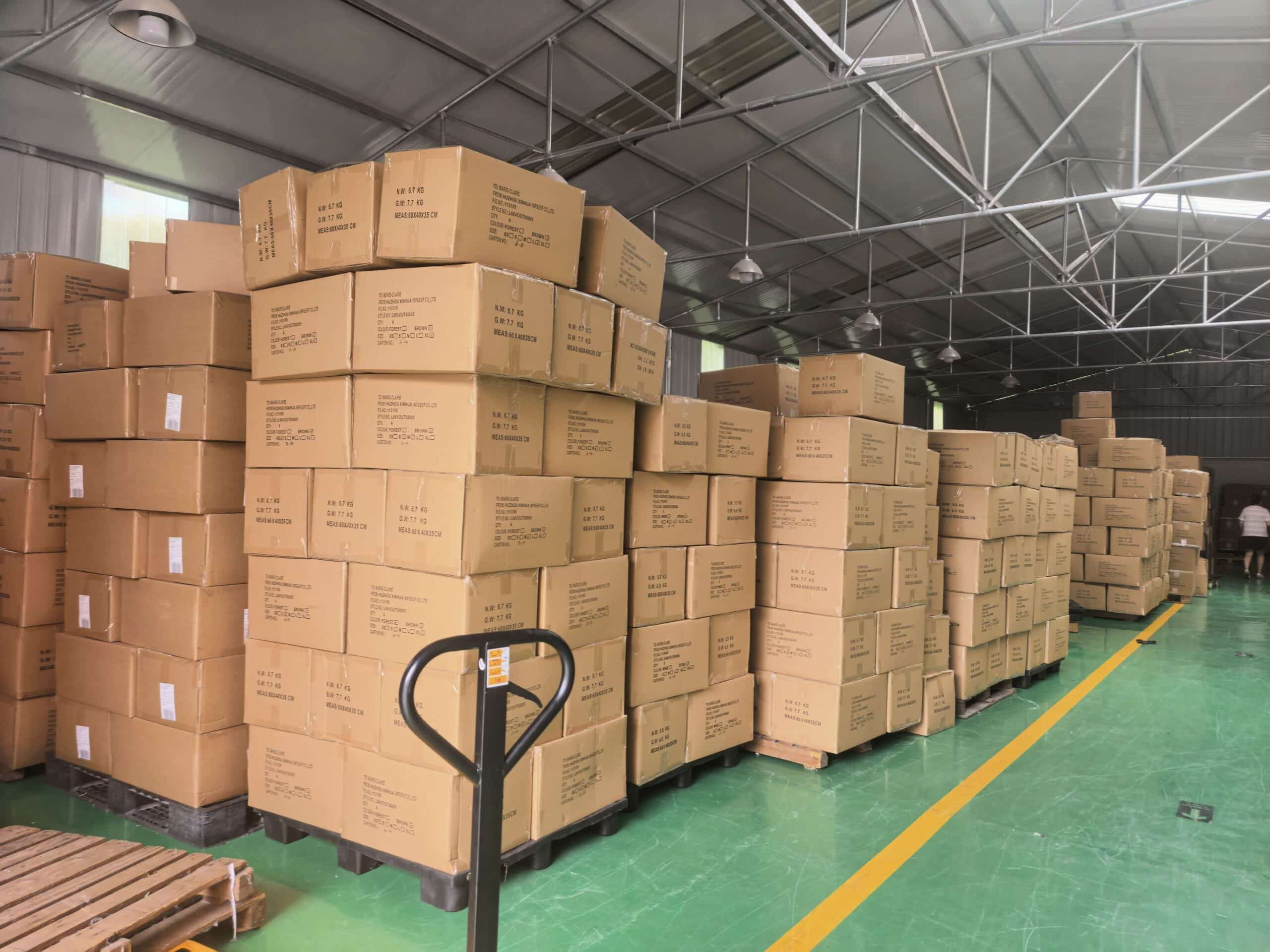
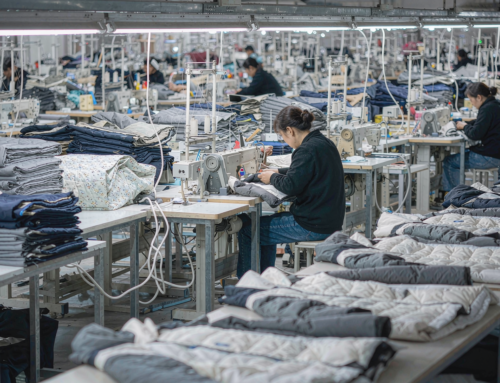
Today, the situation is completely different. Large orders have largely shifted to Southeast Asia. What Chinese factories receive now are mostly small orders of a few thousand or even a few hundred pieces. The apparel industry has not declined — it is the structure of orders that has changed.
2. Regional Advantage: China No Longer Competes on Price, but on Craftsmanship
For brands, choosing a China apparel supplier is not just about price.
Over time, a large number of orders moved to Southeast Asia. Factories in Vietnam, Myanmar, and other countries have grown impressive in scale and efficiency. I once visited a factory in Myanmar — the number of workers was staggering, and many of the managers were Chinese.
But Southeast Asia is not without its weaknesses: strikes, communication costs, unstable lead times, rainy seasons, difficulty with complex processes, and even risks of armed conflict — all of these limit their ability to take on high-end orders.
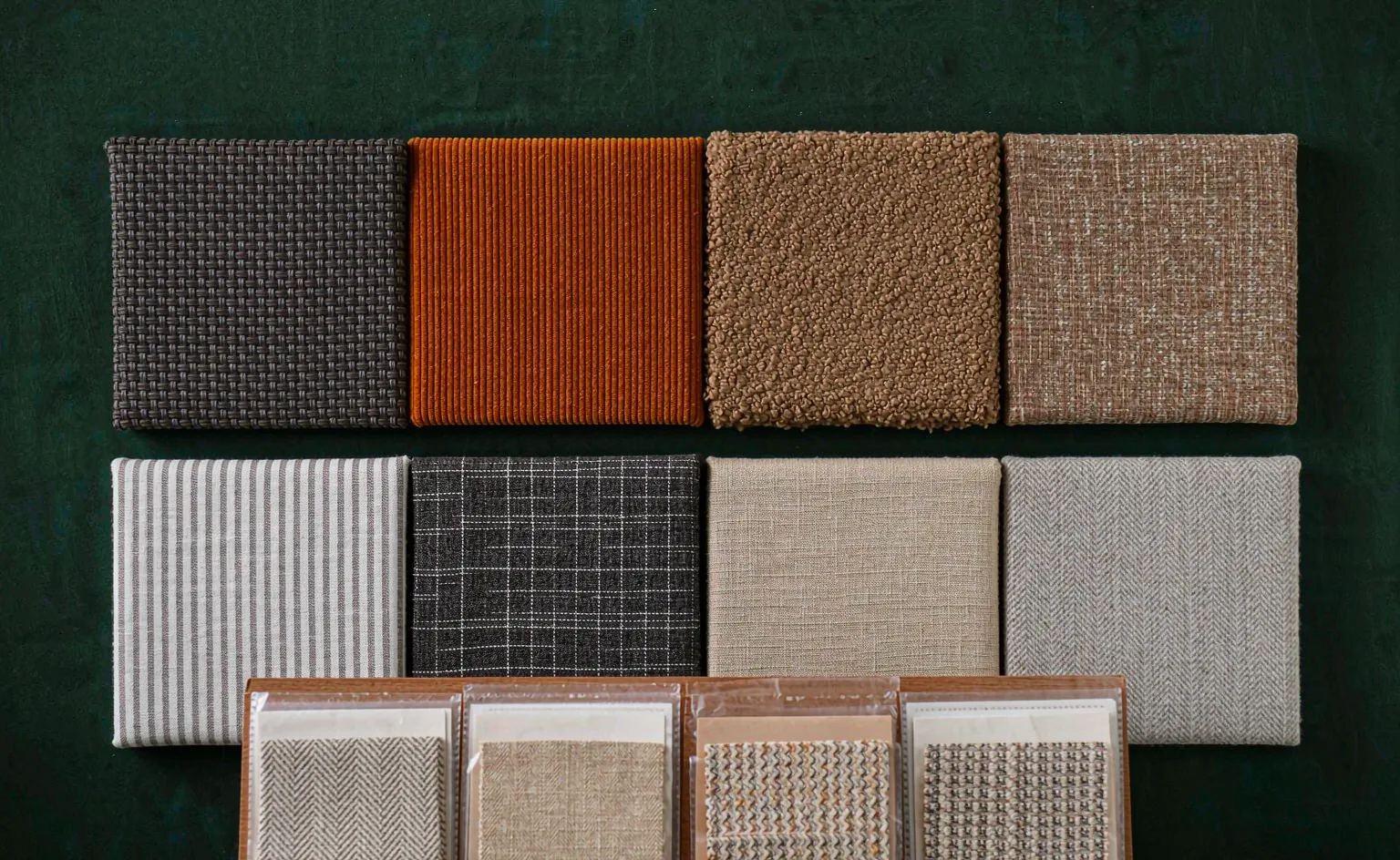
In contrast, what remains in China are highly skilled workers, experienced managers, and pattern makers. They have dedicated their entire careers to apparel — this is China’s real barrier to entry. Chinese apparel no longer competes on price. It competes on craftsmanship, quality, fabrics, and design — moving from low-end to mid-to-high-end.
3. Factory Transformation: From “Waiting for Orders” to “Finding Customers”
Large Chinese apparel factories are gradually shutting down or scaling back. The reasons are practical: tariff policies, exchange rate fluctuations, and rising labor costs.
In the past, factories relied 100% on trading companies for orders. But today, more and more factory owners realize: they must change strategy and find end customers directly. So they set up export departments and register trading companies, putting customers first and prioritizing customer needs. On price, they can also save 5%–10% compared to trading companies.
This is not a bad thing — it is an inevitable part of industry upgrading.
4. How Do Brands Choose Chinese Suppliers?
I have researched a large number of apparel brands — some are century-old companies, others have gone bankrupt or been acquired. A brand that survives for more than 20 years is already remarkable; 50-year or 100-year family businesses deserve even more respect.
What keeps them alive is not luck, but cash flow management, product quality, design capability, and precise inventory control.
For brands, the risk of switching suppliers is far greater than keeping an existing one. Price is not the only criterion — risk resilience, quality, and lead time matter just as much.
From another perspective: a supplier with certifications, competitive pricing, good service, stable lead times, and a willingness to work with trial orders is exactly what brands need. Low MOQ, fast reorders, competitive pricing, consistent quality, and long-term cooperation discounts — these all help brands reduce inventory and improve cash flow.
5. Our Positioning
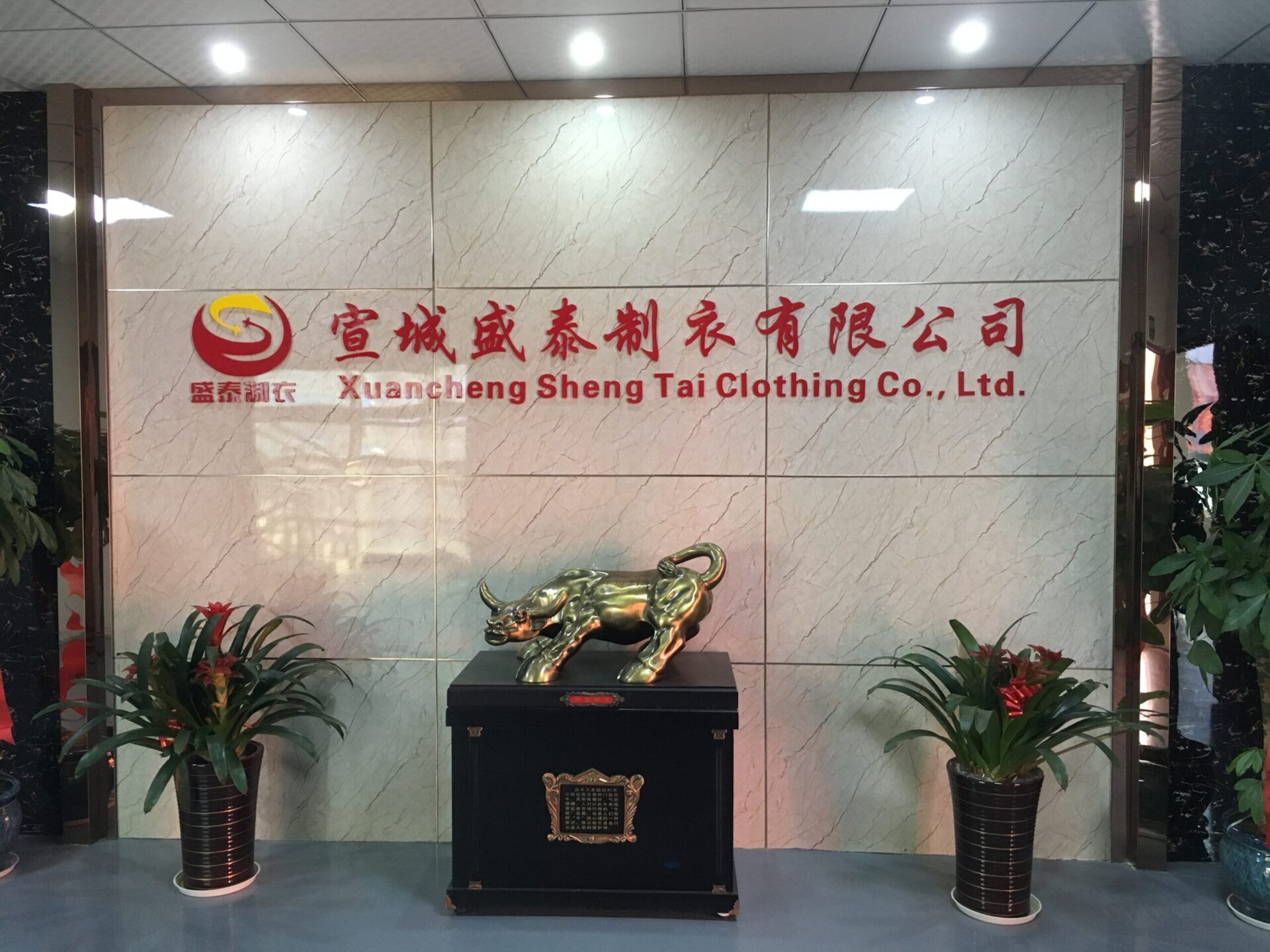
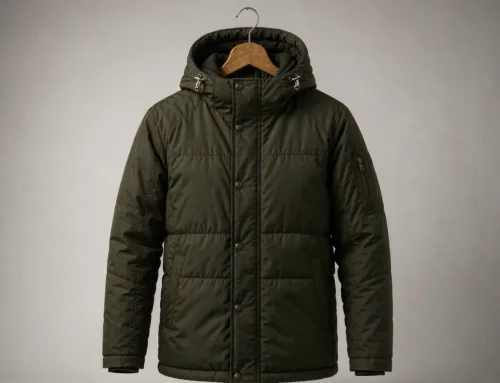
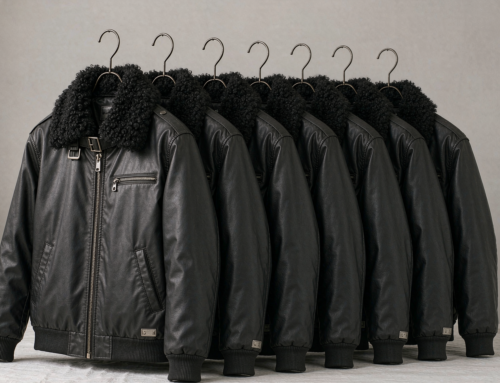
As an outerwear supplier, Shengtai holds BSCI certification, operates its own trading company Xinhua Import & Export Co., Ltd, and has more than 10 years of apparel management experience.
We look forward to working with you.
To learn more about our outerwear products and production capacity, feel free to contact us.
According to Statista, global apparel trade has shifted significantly over the past decade.