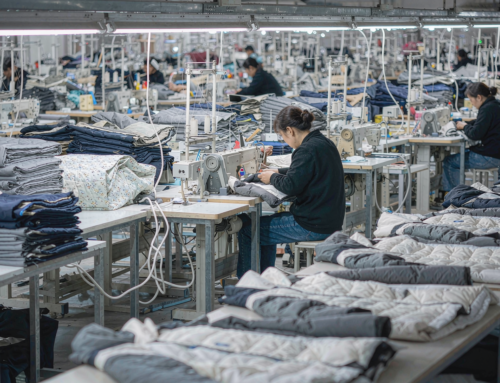


In 2016, we moved our production from Zhejiang to a small industrial park in Xuancheng, Anhui. The rent was cheaper. The labor was stable. But as an outerwear manufacturer China brands rely on, I didn’t realize this move would teach me more about European fashion than any trade show ever could.
Here are a few things I’ve learned since then.
1. European buyers don’t care about your machine list. They care about your last mistake.
When I first started, I sent every new client a long list of our machines. Single needle. Double needle. Bar tack. Overlock 4-threads. I thought that would impress them. It didn’t.
One German buyer finally told me the truth: “I don’t care how many machines you have. I care what you did the last time a shipment was late.”
That changed how I communicate. Now, when a new brand asks about our capacity, I don’t start with numbers. I tell them about a time we almost missed a delivery — and what we did to fix it. That’s what builds trust.
2. The best buyers ask about your workers, not your prices.
In 2019, a Dutch brand sent an auditor to our factory. She didn’t check our sewing lines first. She went straight to the worker break room. She asked about overtime. She checked the fire extinguishers. She read the labels on the fabric storage bins.
After the audit, she told me: “We can find cheap jackets anywhere. We’re here because we need a factory we won’t have to worry about.”
That was the moment I understood why BSCI certification and (at the time) GRS mattered. Not for marketing. For survival.
3. MOQ 500 is not a weakness. It’s a filter.
For years, I tried to compete with big factories on price. I chased orders of 10,000 pieces. I lost money. I lost sleep. I almost lost the business.
Then I realized something: the brands that order 500 pieces per style, twice a year, are often the ones that pay on time, communicate clearly, and stay with you for years.
We stopped chasing volume. We focused on mid-market brands in Eastern Europe, Germany, and Scandinavia who need flexibility more than they need the lowest price.
That was the best decision we ever made.
4. The real product is not the jacket. It’s the sample process.
A jacket takes 45–60 days to produce. A sample takes 7 to 10.
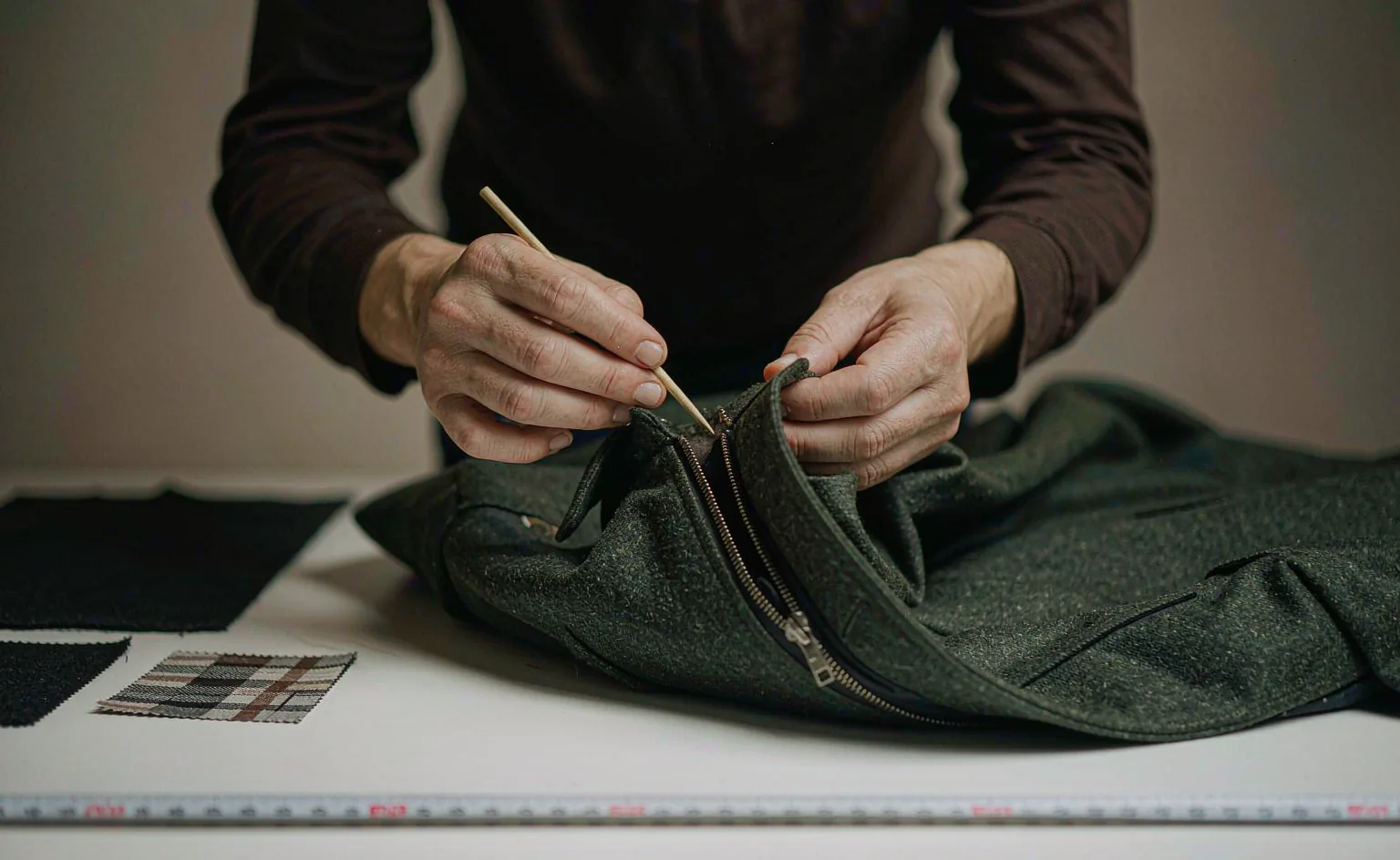
But the sample is where the relationship is built. It’s where you prove you listened. It’s where you show you can solve problems.
We once spent three weeks on a single sample for a Polish brand. They changed the collar three times. They changed the zipper twice. They changed the lining once. We didn’t complain. We just kept sending new samples.
The first bulk order was 2,000 pieces. They’ve been with us for four years now.
5. Transparency: A Key Trait of a Reliable Outerwear Manufacturer China
I used to hide problems. If a shipment was going to be late, I would wait until the last minute to tell the client. I thought I was protecting the relationship.
I was wrong.
Now, if there’s a delay, I tell them immediately — with a reason and a plan. Most of the time, they appreciate the honesty more than they care about the delay.
One buyer told me: “Anyone can send a good email when things are going well. I want to see how you communicate when things go wrong.”
If you want to see how we actually work with brands, take a look at our full OEM & ODM service process.
What to Look for in an Outerwear Manufacturer China
So what does this mean for you?
If you’re sourcing outerwear from China, don’t just look at price lists and catalogues. Ask about the last problem they had. Ask how they handled it. Ask about their workers. Ask about their sample process.
That’s where you’ll find out if they’re the right outerwear manufacturer China has to offer.
If you want to talk about a project, my email is jackie.li@xinhua-apparel.com. I read every message myself.