


The Ultimate Guide to Trench Coat Manufacturing — Quality, Fabrics & OEM Production
The trench coat is one of the few garments that never goes out of style. From its military origins to its status as a wardrobe staple for both men and women, the trench coat remains a perennial favourite among fashion brands and consumers alike.
But what goes into making a high-quality trench coat? And what should brands look for when sourcing a manufacturing partner?
In this guide, we break down everything you need to know about trench coat production — from materials and construction to sampling and bulk manufacturing.
1. What Defines a Trench Coat?
A classic trench coat is characterised by:
-
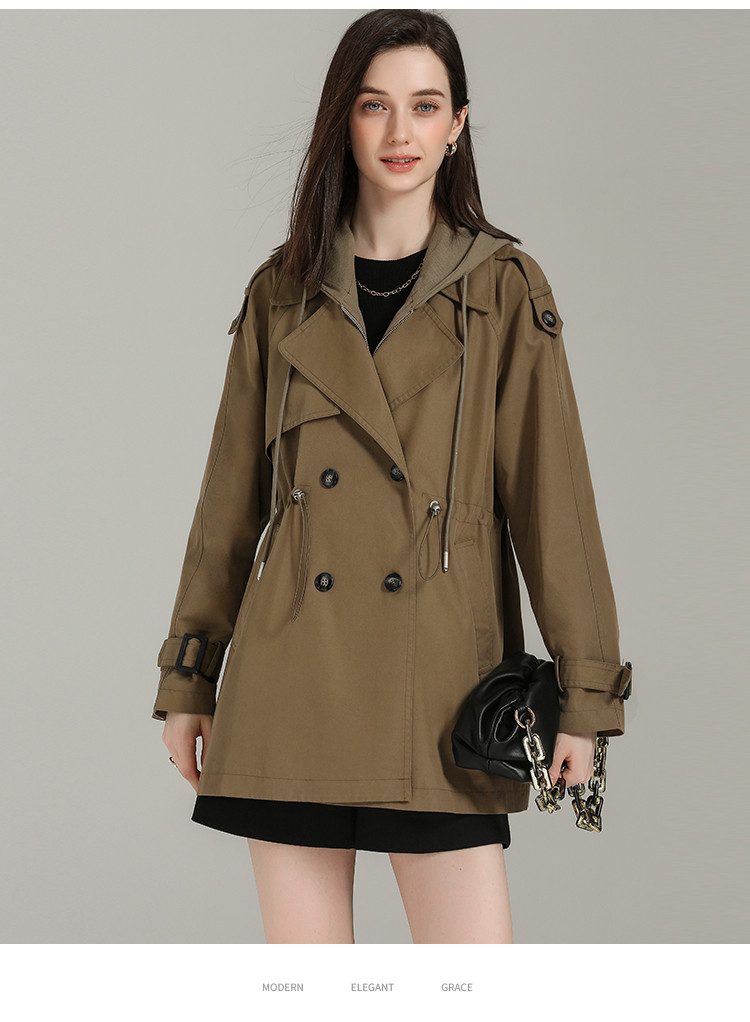
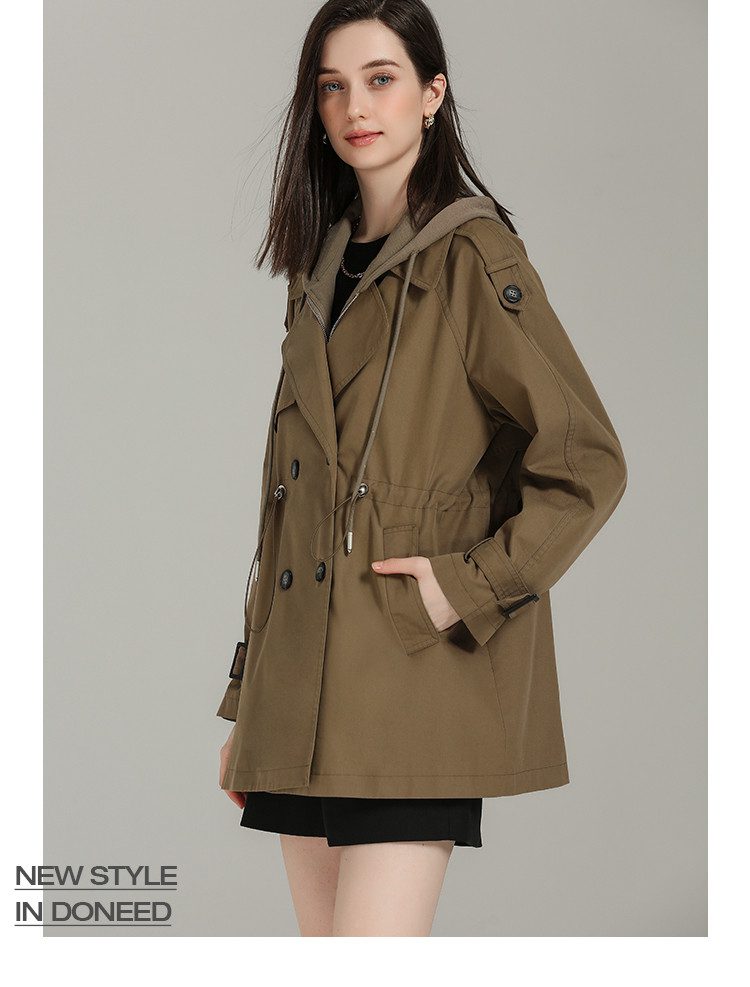
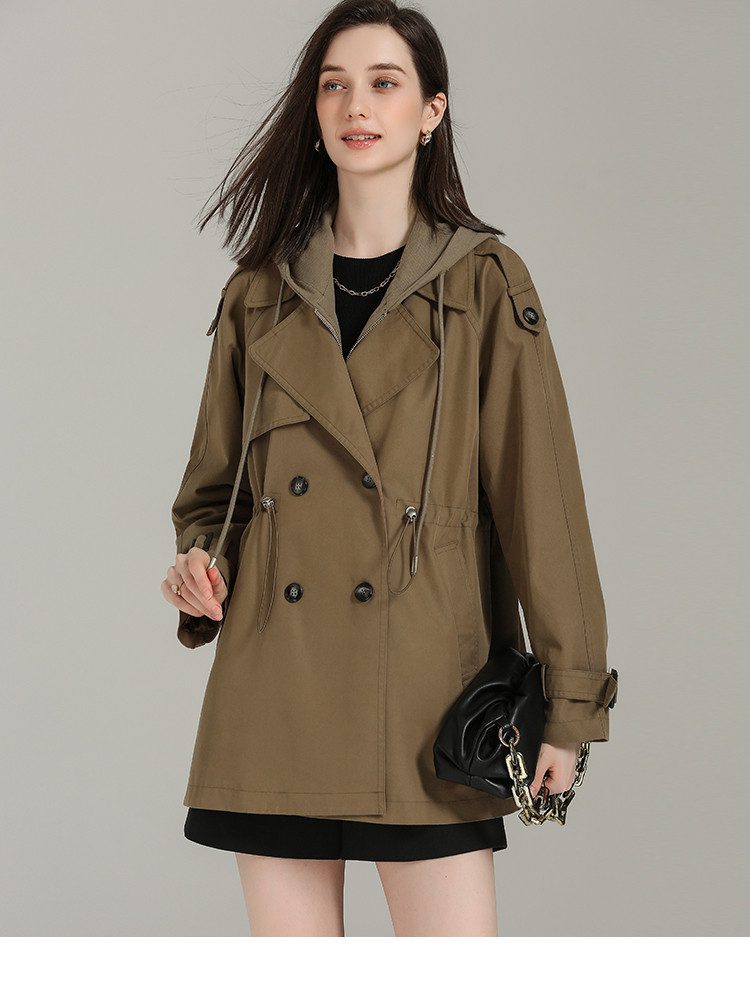
A double-breasted front with a storm flap
-
Wide lapels and a belted waist
-
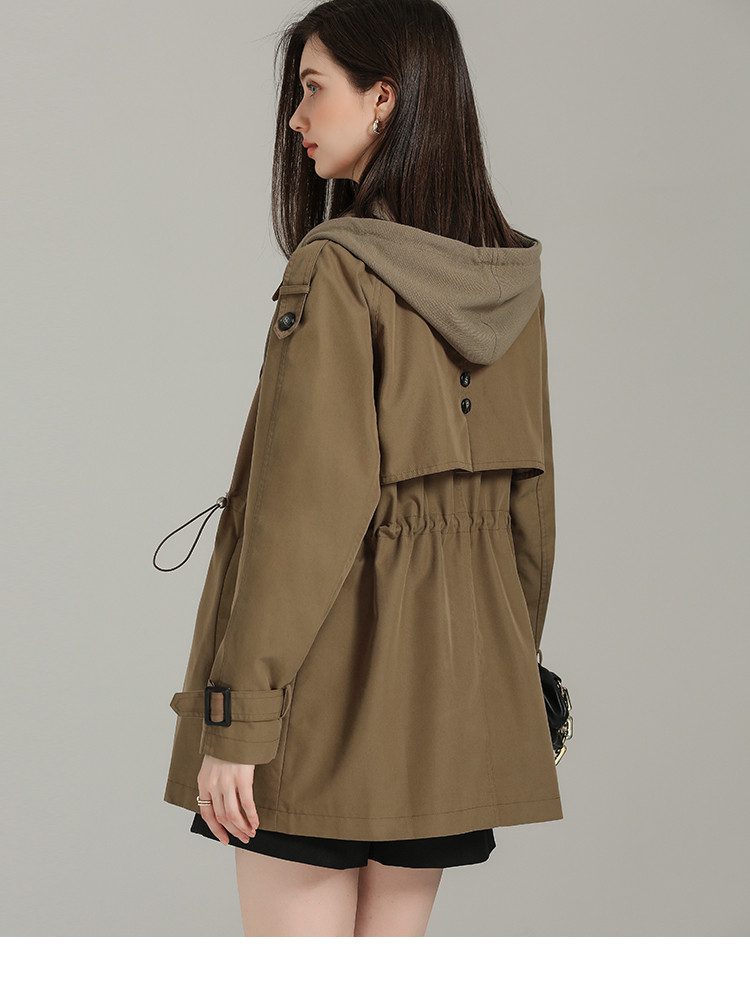
Epaulettes on the shoulders
-
Raglan sleeves or set-in sleeves
-
A full-length or knee-length silhouette
-
Typically made from water-resistant cotton gabardine, but modern versions also use blends of polyester, polyamide, and wool
Today, the trench coat has evolved into multiple variations — cropped, oversized, belted, and even unlined versions for warmer seasons. This versatility makes it a key item for any outerwear collection.
2. Key Materials for Trench Coats
The choice of fabric determines the look, feel, and functionality of the coat.
| Fabric | Characteristics | Best For |
|---|---|---|
| Cotton Gabardine | Classic, breathable, water-resistant | Traditional and heritage styles |
| Polyester / Polyamide Blends | Lightweight, durable, easy to care for | Modern, affordable collections |
| Wool Blends | Warm, structured, premium feel | Cold-weather and luxury versions |
| Tencel / Lyocell | Soft, eco-friendly, smooth drape | Sustainable and high-end lines |
| Recycled Polyester (GRS-certified) | Sustainable, performance-oriented | Brands with ESG commitments |
We work with a wide range of these materials and can source GRS-certified recycled fabrics upon request.
3. Key Construction Details That Define Quality
A well-made trench coat is all in the details. Here are the critical construction points that separate premium quality from mass-market:
3.1 Stitching and Seams
-
High stitch density (8-10 stitches per inch) indicates better quality.
-
Reinforced seams at stress points (armholes, pockets, and buttonholes) ensure durability.
3.2 Lining and Interlining
-
A full lining adds structure and comfort.
-
Interlining (fused or sew-in) is used in the collar and lapels to maintain shape.
3.3 Button and Buttonhole Quality
-
Buttons should be securely attached with a thread shank (to allow movement).
-
Buttonholes must be cleanly cut and reinforced.
3.4 Belt and Buckle
-
The belt should be made from the same main fabric or a complementary leather.
-
Buckles should be sturdy and rust-resistant.
3.5 Finishing
-
All raw edges should be neatly overlocked or bound.
-
Pressing and steaming at final stage ensure a crisp, professional finish.
We have a dedicated QA team that checks every garment at multiple stages — from fabric inspection to final packing.
4. The Manufacturing Process from A to Z
Here is a typical production workflow for a trench coat order:
Step 1: Pattern Making and Grading
Using CAD software, we create accurate patterns and grade them to your size specifications. Our in-house pattern maker works closely with you to ensure fit and proportions are perfect.
Step 2: Sample Development
We produce a first sample (often called a fit sample) for your approval. This allows you to check fabric, silhouette, and construction before moving to bulk.
Step 3: Fabric and Trim Sourcing
We source all materials — main fabric, lining, interlining, buttons, belts, and labels — from our trusted supply chain. We can also source GRS-certified recycled materials on request.
Step 4: Cutting and Pre-Production
Fabric is laid and cut in layers using precision cutting machines. The cut pieces are then bundled and prepared for sewing.
Step 5: Sewing and Assembly
Our 5 production lines, staffed by 150 skilled workers, assemble each garment. Specialised operators handle different sections — collars, sleeves, lining, and finishing.
Step 6: Quality Control
In-line and final inspections are carried out at every stage. We check for stitching defects, measurement accuracy, and overall finish.
Step 7: Packing and Shipping
Garments are folded or hung according to your specifications, packed in poly bags or garment boxes, and shipped to your destination.
5. Why Work with Xinhua Apparel for Your Trench Coat Production
We are a vertically integrated woven outerwear manufacturer with over 15 years of experience — including trench coat production for both men and women.
-
BSCI & GRS certified — audit-ready, sustainable production
-
In-house sample room — first samples in 5-7 days
-
Flexible MOQ — we work with orders from 1,000 pieces per style
-
150 skilled workers — consistent quality at scale
-
Trusted by ZARA, MANGO, and PIMKIE — proven reliability
We understand that sourcing a trench coat collection requires attention to detail, clear communication, and reliable delivery. We are a small team that gives you the attention you deserve — without the bureaucratic layers of a large factory.
6. Ready to Start Your Trench Coat Collection?
Whether you are launching a new line, expanding your outerwear range, or looking for a reliable manufacturing partner, we are here to help.
Contact us today for a consultation, sample request, or factory visit.
📩 Email: jackie.li@xinhua-apparel.com
🌐 Website: www.xinhua-apparel.com
📍 Factory: Xuancheng Science & Technology Park, Anhui, China